


.webp)


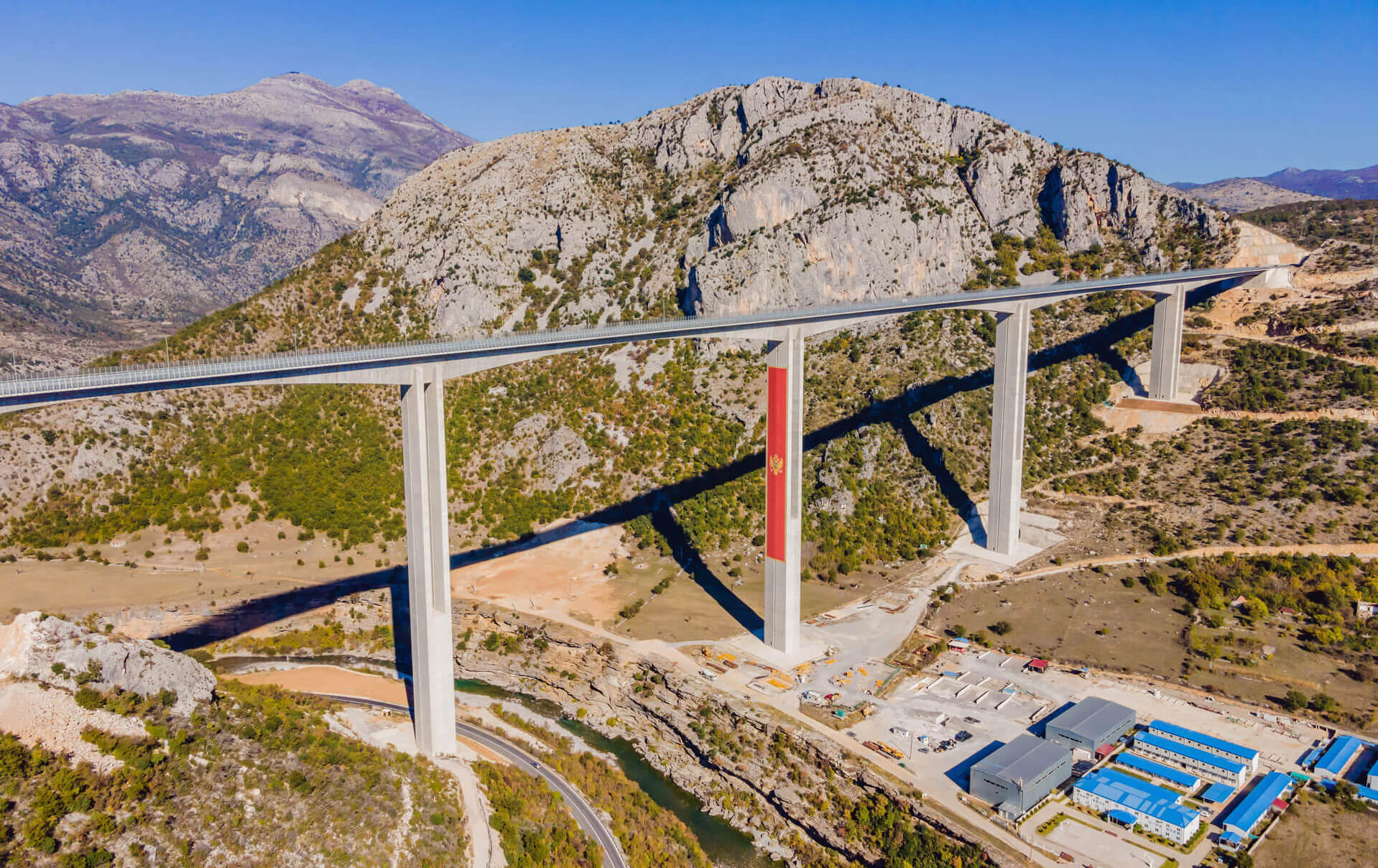
Infrastructure development has traditionally been a challenging area for Montenegro, particularly given the country’s geography and its later start compared to more developed European markets. In response, Montenegro has entered an ongoing and well-defined investment cycle aimed at strengthening and modernising its infrastructure network, supported by long-term strategic planning and international partnerships.
These improvements are further reinforced by Montenegro’s EU accession process, with membership planned for 2028, which is driving alignment with EU standards, increased access to development funding, and accelerated implementation of large-scale infrastructure projects. Continuous investments in road, air, and maritime infrastructure are progressively improving national and international connectivity, supporting economic growth, tourism development, and cross-border trade, while creating increasingly favourable conditions for real estate, hospitality, and mixed-use developments in key coastal and northern regions.
Roads and Highways
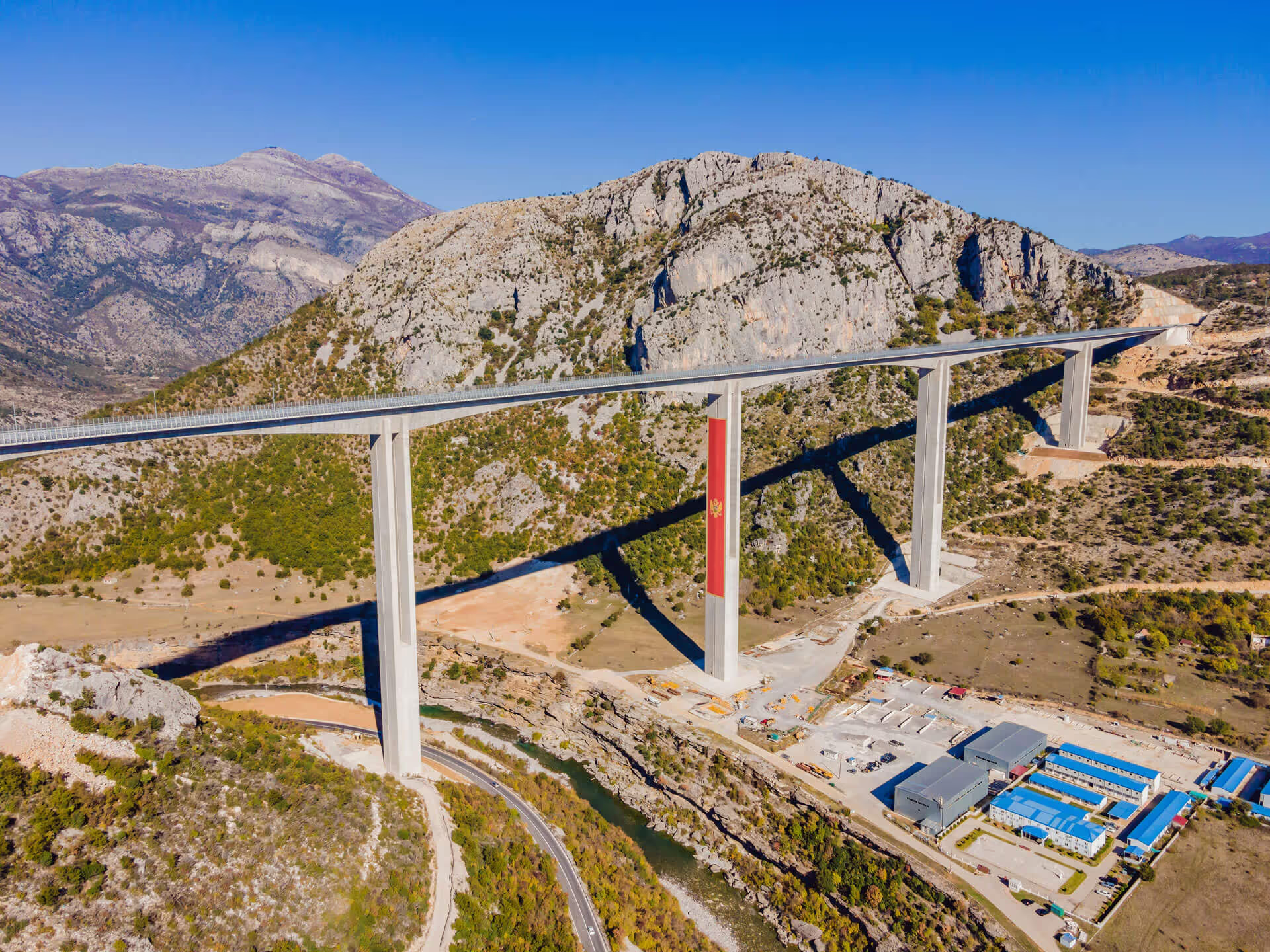
The Princess Ksenija Highway, connecting Podgorica with the mountain centre of Kolašin, was inaugurated in July 2022 and represents one of Montenegro’s most significant infrastructure investments, with a total value of approximately EUR 900 million. As a strategic component of the Bar–Boljare highway project, it establishes a north–south transport corridor linking the Port of Bar with northern Montenegro.
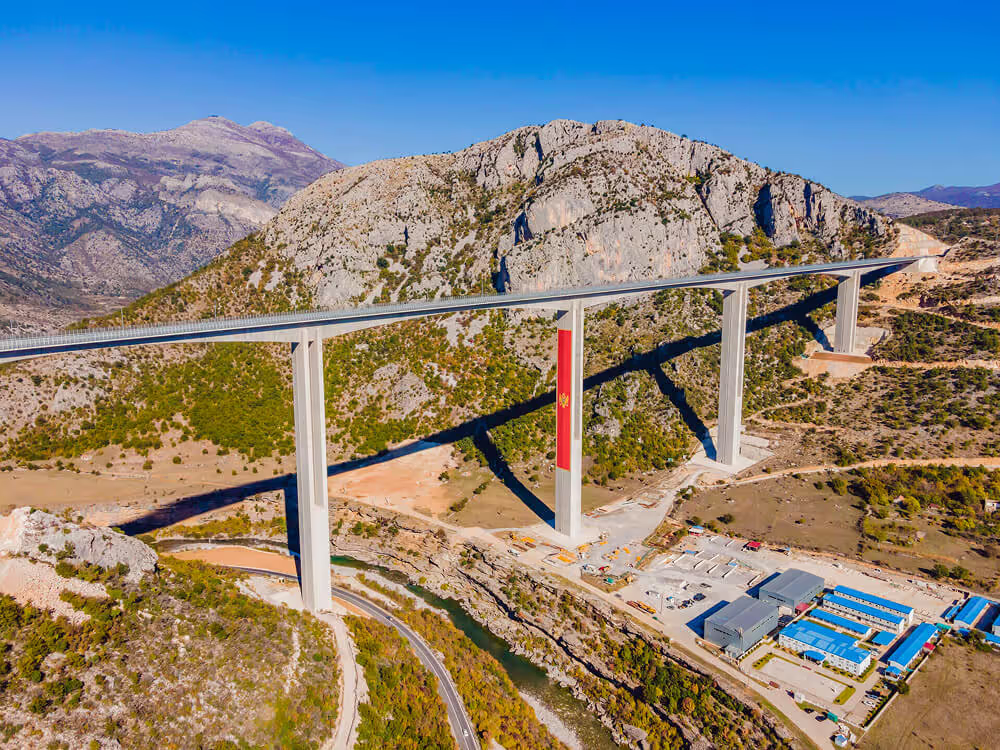
Princess Ksenija highway
The next phase of construction covers the section between Kolašin and Andrijevica. The contract was signed in February 2026, with completion scheduled for 2030. Upon completion of future phases, the highway will connect directly to Serbia’s road network, integrating Montenegro into major European transport corridors and facilitating regional trade and mobility.
In addition, the coastal region will significantly benefit from the Budva–Tivat boulevard, which is currently under construction and expected to be completed by summer 2026. Once finalised, this boulevard is set to become the most heavily trafficked route in Montenegro, substantially improving connectivity between key coastal destinations and enhancing accessibility and visibility for residential, hospitality, and mixed-use developments along the coast. The subsequent phase—a boulevard running through Tivat—is currently in the project documentation preparation stage.
Another fast road currently under construction runs through the Luštica Peninsula and will connect the Budva–Tivat boulevard with Rose, further improving accessibility and supporting future development.
A strategically important initiative is the Budva bypass, a new road designed to divert transit traffic away from the city centre and reduce congestion during peak tourist seasons. Construction is expected to begin in 2026, with an anticipated completion period of four years. Once completed, the bypass will significantly improve connectivity between Podgorica and the coastal region, while enhancing Budva’s attractiveness for premium real estate and hospitality projects.
Further value creation is anticipated through government-planned fast road projects in northern Montenegro, aimed at improving accessibility to underdeveloped yet high-potential regions and unlocking new opportunities for tourism, residential, and resort developments.
Airports
Montenegro’s air transport infrastructure provides strong accessibility to key European markets through two international airports: Tivat Airport (IATA: TIV) on the Adriatic coast and Golubovci Airport near Podgorica (IATA: TGD). Both airports accommodate a mix of scheduled and charter flights, ensuring reliable year-round connectivity alongside high seasonal capacity aligned with peak tourism demand.
Tivat Airport primarily serves the coastal region, directly supporting luxury tourism and high-value real estate developments in Budva, Kotor, and the Bay of Kotor. Golubovci Airport provides broader national coverage and efficient access to Podgorica and northern Montenegro, reinforcing its role as a key gateway for regional development, business travel, and year-round tourism.
Recognising the growing importance of air connectivity for tourism, investment, and economic growth, the Government of Montenegro is actively advancing plans for the modernisation and expansion of both airports. The proposed upgrades are aimed at increasing passenger capacity, improving service quality, modernising terminal infrastructure, and enhancing operational efficiency to meet rising international demand.
In this context, the Government is currently evaluating two strategic options:
(i) direct public investment in airport modernisation, or
(ii) granting a long-term concession to a foreign airport operator.
As part of this process, concession offers have already been submitted by several internationally recognised operators, including Incheon International Airport Corporation (IIAC) and Corporación América Airports S.A. (CAAP). The strong interest from established global airport operators underscores the strategic importance, growth potential, and long-term attractiveness of Montenegro’s aviation sector.
Additionally, Dubrovnik’s Ćilipi Airport (IATA: DBV), located approximately 20 km from the Montenegrin border, further strengthens regional air connectivity and serves as a convenient alternative entry point for international investors, tourists, and business travellers, particularly for destinations along the Montenegrin coast.
Sea Ports and Marinas
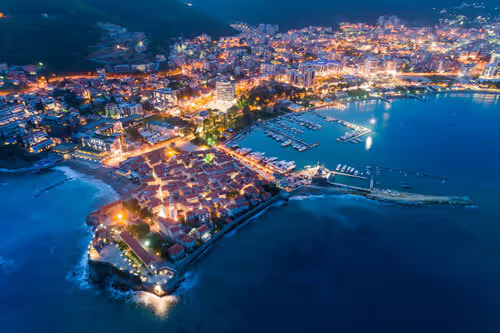
Montenegro’s Adriatic coastline represents a significant maritime advantage, offering direct access to major Mediterranean shipping and cruising routes. This strategic positioning underpins the country’s growing role in regional trade, logistics, and high-end tourism. The Port of Bar, Montenegro’s largest cargo port, serves as a key national logistics hub, supporting freight transport, industrial activity, and international trade flows.
The Port of Kotor has established itself as one of the leading cruise destinations in the Mediterranean, welcoming over 300 cruise ships per season. This consistent inflow of high-spending visitors generates strong demand for tourism services, retail, hospitality, and commercial real estate, reinforcing Kotor’s position as a premium destination.
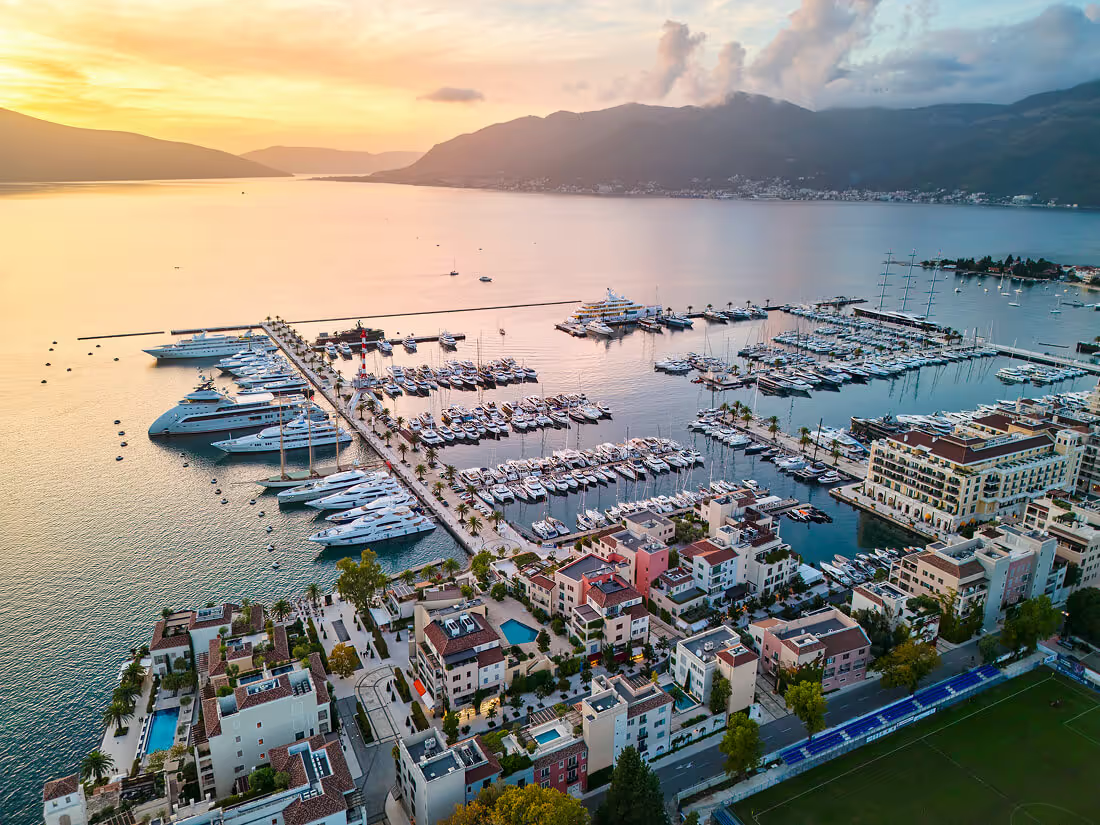
Biggest super-yacht marina on Adriatic - Porto Montenegro
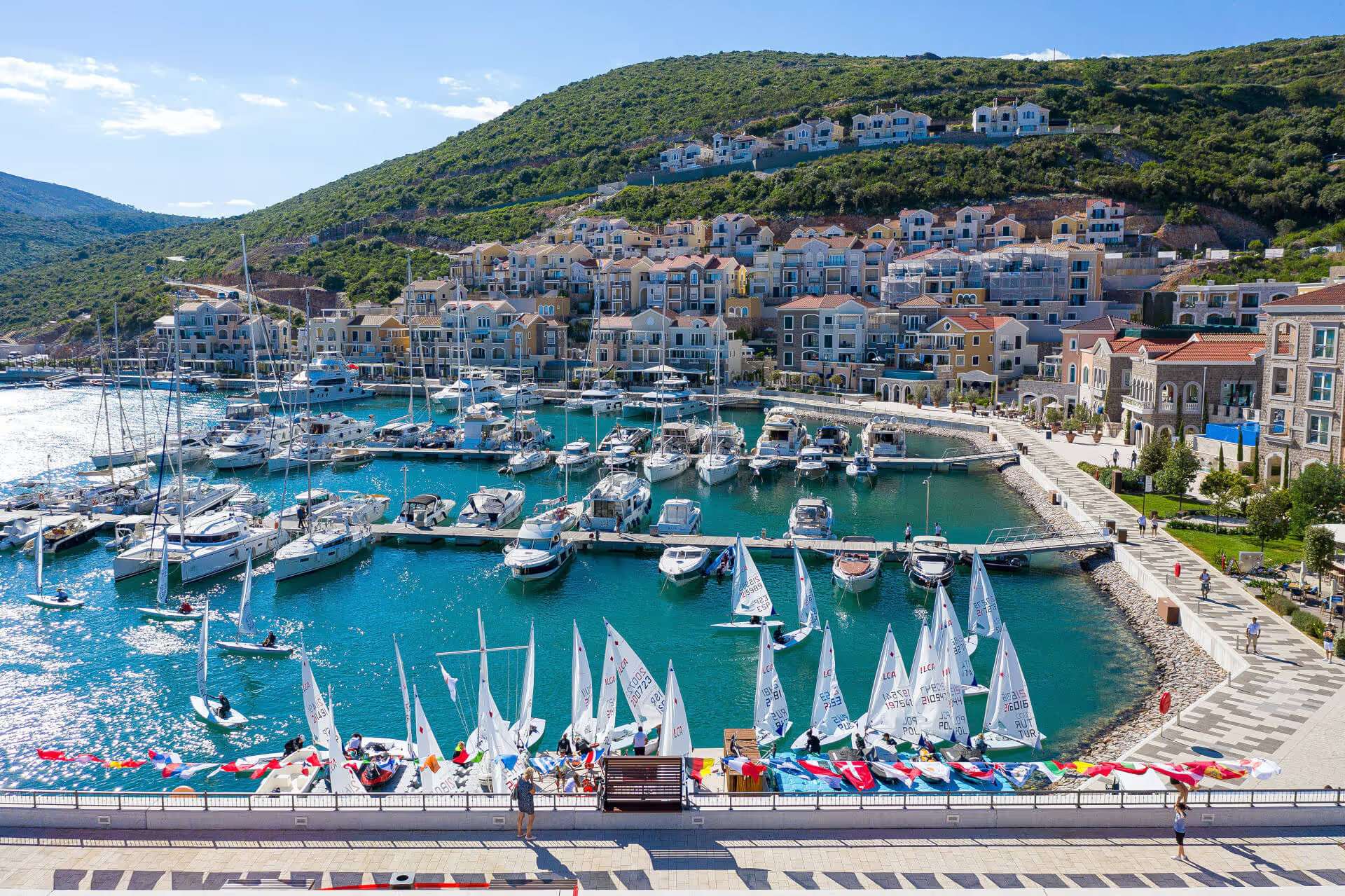
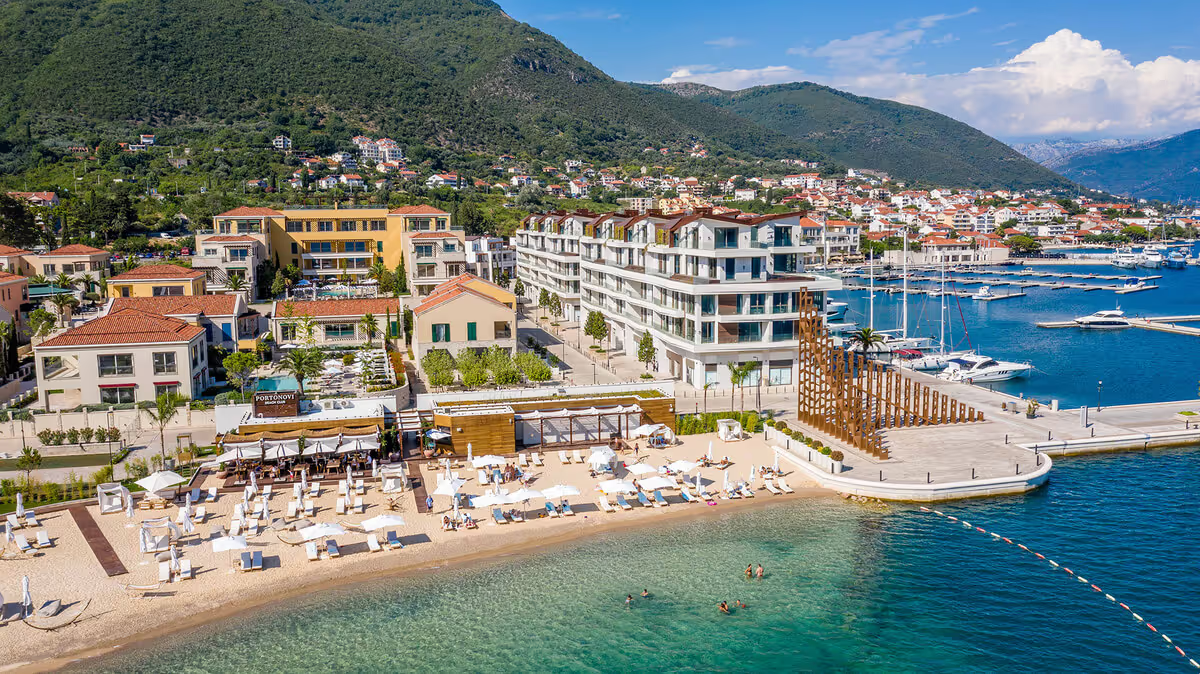
Complementing its cruise and cargo infrastructure, Montenegro has developed a distinguished portfolio of high-end marinas and waterfront destinations. These include Porto Montenegro—the largest super-yacht marina in the Adriatic—as well as Portonovi, Luštica Bay, and Marina Budva. Together, these developments have positioned Montenegro as a leading hub for luxury nautical tourism, attracting super-yacht owners, international brands, and global investors, while supporting the growth of branded residential and mixed-use waterfront real estate.
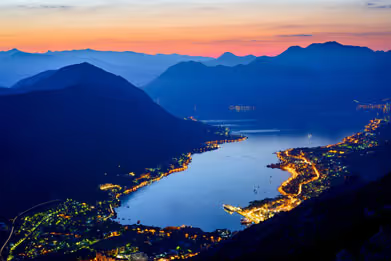
The Bay of Kotor, a naturally sheltered deep-water harbour with exceptional geographic and climatic characteristics, further enhances Montenegro’s maritime appeal. The introduction of Adriatic 42, a state-of-the-art yacht repair and maintenance facility capable of servicing mega and super-yachts up to 10,000 tons, significantly strengthens the country’s value proposition in the high-net-worth and ultra-high-net-worth segment, extending visitor stays and reinforcing Montenegro’s position within the global yachting ecosystem.






Get in touch with us today


Hotel Bracera
81310 Budva
Montenegro


